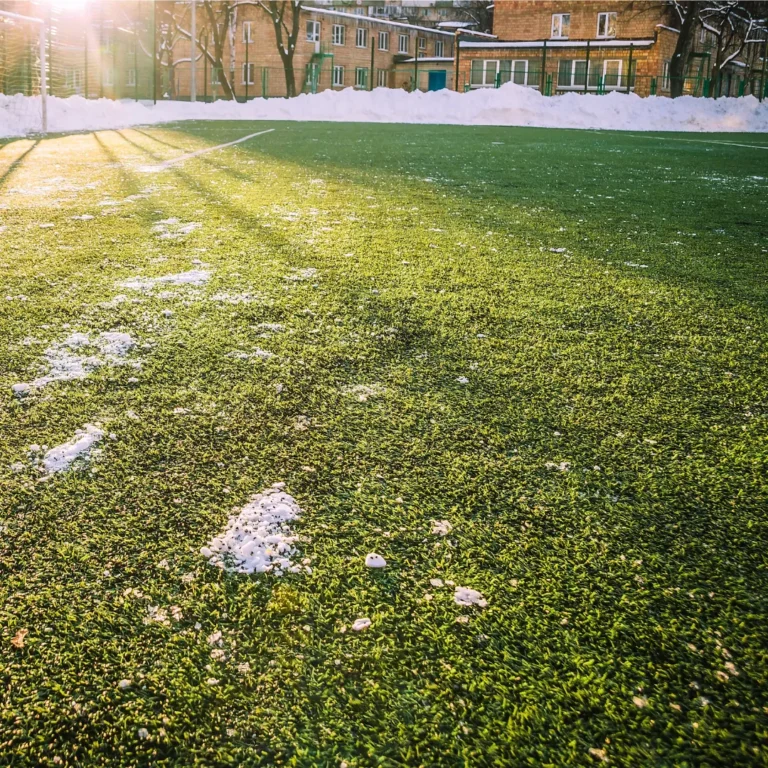
How to repair winter-damaged grass is one of the most common spring lawn care questions homeowners ask after a long Canadian winter.
Snow cover, freezing temperatures, ice buildup, and de-icing salts can leave lawns looking brown, thin, and lifeless once the snow melts.
While winter lawn damage can look severe, the reality is that most grass is more resilient than it appears.
In many cases, grass that looks dead is simply dormant and waiting for the right conditions to recover—specifically warmer soil temperatures, proper moisture, and improved airflow.
At Maple Lawn & Snow, we’ve helped homeowners with snow removal and restored lawns after some of the harshest winters.
This guide breaks down how to assess winter lawn damage, when to take action, and how to repair your lawn properly once soil temperatures consistently reach 10–13°C.
When done correctly, spring lawn recovery doesn’t require guesswork, just timing, technique, and consistency.
Quick Spring Lawn Recovery Checklist
If you want a fast, no-guesswork overview of how to repair winter-damaged grass, start with this checklist before diving into the details.
Spring Lawn Recovery Checklist (Celsius-Based)
- Wait until soil temperatures consistently reach 10–13°C
- Perform a tug test to confirm whether grass is dormant or dead
- Rake out leaves, debris, and matted grass from winter
- Aerate compacted soil to improve air and water movement
- Repair only confirmed dead patches—not dormant turf
- Treat salt-damaged areas before reseeding
- Delay fertilizing until grass shows active green growth
- Avoid herbicides on newly seeded areas until grass is established
Following this checklist prevents the most common spring lawn mistakes, such as starting too early, overseeding healthy grass, or fertilizing before roots are ready.
Each step is explained in detail below so you understand why timing and technique matter for long-term lawn health, not just short-term appearance.
What Causes Winter Lawn Damage in Canadian Lawns?
Winter lawn damage is rarely caused by cold temperatures alone.
In most cases, it’s the combination of environmental stressors over several months that weakens or kills grass.
Understanding these causes helps you fix the right problem instead of applying treatments that don’t work.
Freeze–Thaw Cycles
Repeated freezing and thawing is one of the most damaging winter processes for turfgrass.
When temperatures fluctuate around 0°C, water inside grass plant cells freezes and expands, forming ice crystals that rupture cell walls.
Cool-season grasses have natural defenses, but sudden temperature swings, especially in late winter, can overwhelm those protections.
This is why lawns often appear more damaged in early spring than they did mid-winter.
Winter Desiccation (Drying Out)
When the soil freezes, the grass roots cannot absorb water.
However, grass blades still lose moisture on sunny, windy winter days.
This moisture imbalance causes dehydration, leading to browning and thinning, particularly in exposed areas such as slopes or lawns without consistent snow cover.
Winter desiccation is most noticeable after dry, windy winters with frequent freeze–thaw events.
Crown Hydration Injury
The crown is the most critical part of the grass plant, it’s the growth point located at soil level. During winter thaws, grass crowns absorb water.
If temperatures drop quickly afterward, that water freezes and expands, damaging or killing the crown.
Once the crown is damaged, the grass plant cannot regenerate, which is why crown injury often results in bare patches come spring.
Ice Sheeting
Ice sheeting occurs when melted snow refreezes into a solid layer over grass.
If ice cover persists for extended periods, typically more than 60 days, it blocks oxygen exchange and creates an anaerobic environment.
This suffocates turf and encourages disease development, particularly snow mold.
Lawns with poor drainage or areas where snow piles melt and refreeze are most at risk.
Soil Compaction
Heavy snow piles, foot traffic on frozen turf, and repeated freeze–thaw pressure compact the soil over winter.
Compacted soil restricts root growth, limits oxygen availability, and slows spring recovery even when grass survives the winter.
Compaction is often overlooked because it’s not immediately visible, but it’s one of the biggest factors preventing lawns from greening up in spring.
Salt Damage from De-Icing Products
De-icing salts increase sodium levels in soil, which:
- Damage grass tissue directly
- Disrupt nutrient uptake
- Prevent new grass from establishing
Salt damage usually appears as brown or straw-coloured streaks extending from driveways, sidewalks, and walkways.
Without treatment, sodium can remain in the soil for weeks or months, causing reseeding attempts to fail.
Dormant vs. Dead Grass: How to Tell the Difference
Before starting any repairs, it’s critical to determine whether your grass is dormant or truly dead.
Many homeowners reseed too early, wasting time and money on grass that would have recovered on its own.
Why This Step Matters
Cool-season grasses commonly used in Canada, such as Kentucky bluegrass, perennial ryegrass, and tall fescue, naturally enter dormancy during extreme cold.
Dormant grass turns brown and stops growing, but the plant remains alive below the surface.
Dead grass, on the other hand, cannot recover and must be repaired through reseeding or sod.
The Tug Test (Your Most Reliable Tool)
The simplest and most accurate way to assess grass health is the tug test:
- Grab a small clump of brown grass
- Pull gently upward
- If the grass resists pulling, it’s dormant
- If it pulls out easily with little to no root structure, it’s dead
Perform this test in 10–15 different locations across your lawn, including areas that look worst.
This prevents over-treating healthy turf and missing areas that actually need repair.
In our experience, lawns that appear completely dead in early spring are often 70–80% dormant and recover naturally once soil temperatures rise above 10°C.
Visual Signs of Dormant Grass
Dormant grass typically shows:
- Uniform brown or yellow colour
- Firmly rooted plants
- No foul odour or root decay
- Green tissue at the crown when inspected closely
Given adequate moisture and warmer soil, dormant grass will begin producing new green shoots within a few weeks.
Visual Signs of Dead Grass
Dead grass is easier to identify once temperatures stabilize. Look for:
- Grass that pulls out effortlessly
- No green tissue at the crown
- Mushy or decayed roots
- Clearly defined bare patches that don’t change over time
Dead areas will not recover on their own and require reseeding, sod installation, or professional repair.
When to Make the Final Call
Avoid making repair decisions immediately after snow melt. Wait until:
- Soil temperatures consistently reach 10–13°C
- Nearby healthy grass shows signs of new growth
- At least 2–3 weeks of stable spring weather have passed
Patience at this stage prevents unnecessary reseeding and helps you focus efforts where they’re truly needed.
Common Types of Winter Lawn Damage
Once you’ve confirmed whether your grass is dormant or dead, the next step is identifying what type of winter damage you’re dealing with.
Different damage types require different repair approaches, and treating the wrong issue can slow recovery.
Brown or Yellowed Grass in Early Spring
This is the most common spring lawn concern and, in most cases, not a serious problem.
For cool-season lawns, widespread browning usually indicates dormancy rather than permanent damage.
As soil temperatures rise above 10°C and moisture becomes available, grass typically begins producing new green shoots from the crown.
This greening process can take several weeks, especially after long winters.
Important:
Do not rush to reseed immediately. Wait 3–4 weeks of consistent spring weather before deciding whether areas need repair.
Bare or Thin Patches
Bare patches indicate areas where grass plants have died. These spots are usually easy to identify once the nearby turf begins recovering.
Common causes include:
- Prolonged ice coverage (typically more than 60 days)
- Severe salt exposure near driveways and walkways
- Untreated snow mold that damaged grass crowns
- Concentrated pet urine trapped under snow
- Heavy objects left on the lawn all winter (furniture, firewood, equipment)
Dead patches usually have clear boundaries and show no signs of green regrowth after surrounding grass begins to recover.
Snow Mold Damage
Snow mold becomes visible after snow melt and often looks worse than it actually is.
It appears as circular or irregular patches of matted, straw-coloured grass.
There are two main types:
Gray Snow Mold
- Appears white or grey
- Affects grass blades, not crowns
- Stops spreading once snow melts
- Recovery is usually excellent with proper raking
Pink Snow Mold
- Shows pink or reddish edges, especially when wet
- More aggressive than gray snow mold
- Can damage crowns if severe
- Still often recoverable with prompt care
In most cases, vigorous raking to break up matted grass and improve airflow is all that’s required.
Compacted Soil Areas
Soil compaction is one of the most overlooked forms of winter lawn damage because it’s not immediately visible.
However, it significantly slows spring recovery.
Signs of compaction include:
- Water pooling after rainfall
- Soil that feels hard underfoot
- Poor grass growth despite adequate moisture
Compaction is most common:
- Where snow piles were repeatedly placed
- Along walkways and high-traffic areas
- In low spots where freeze–thaw cycles occurred frequently
Salt Damage Patterns
Salt damage has a distinctive appearance:
- Brown or straw-coloured streaks
- Damage is worst closest to pavement
- Gradual improvement with distance from salt source
Salt doesn’t just damage grass; it alters soil chemistry, which is why reseeding without treatment often fails. Proper soil flushing and amendments are necessary before repair.
Section 6: When to Start Spring Lawn Repairs (Timing Matters Most)
One of the biggest mistakes homeowners make when repairing winter-damaged grass is starting too early.
Working on your lawn before conditions are right can compact soil, damage recovering roots, and undo weeks of potential progress.
Why Timing Is Critical
Grass needs stable temperatures and active root growth to recover.
If the soil is still cold or saturated, the seed won’t germinate properly, the fertilizer won’t be absorbed, and foot traffic can cause permanent damage.
Spring lawn recovery should always be guided by soil temperature, not the calendar.
Ideal Conditions for Lawn Repair
Begin spring lawn repairs only when all of the following conditions are met:
- Soil temperatures consistently reach 10–13°C at a depth of 5 cm
- The ground is fully thawed and drains well
- Existing grass shows signs of new growth
Daytime air temperatures regularly exceed 15°C - No risk of hard overnight frost remains
In most parts of Canada, this window falls between late April and mid-May, though local conditions may vary year to year.
How to Check Soil Temperature
You can check soil temperature by:
- Using an inexpensive soil thermometer
- Checking data from local agricultural or extension services
- Monitoring consistent greening of nearby lawns
As a rule of thumb, if a screwdriver easily penetrates the soil and grass is beginning to green up, conditions are improving, but temperature confirmation is still key.
Signs You’re Starting Too Early
Avoid lawn repairs if you notice:
- Soil is muddy or waterlogged
- Grass pulls out easily due to saturated soil
- Nighttime temperatures regularly fall below 5°C
- No visible green growth anywhere on the lawn
Starting too early often leads to seed washout, soil compaction, and poor germination.
Regional Timing Differences
Spring arrives at different speeds across Canada:
- Southern Ontario: late April
- Central regions: early to mid-May
- Northern areas: mid to late May
Waiting an extra week is far safer than rushing repairs too early.
Pro Tip from Maple Lawn & Snow
If your lawn shows mixed recovery, some green areas and some brown areas-wait.
Healthy grass often spreads naturally once soil temperatures stabilize, reducing the amount of reseeding needed.
Step-by-Step: How to Repair Winter-Damaged Grass in Spring
Once soil temperatures are consistently above 10–13°C and the lawn is actively waking up, you can begin the repair process.
Following these steps in order ensures you’re fixing the root cause of the damage not just covering it up.
Step 1: Remove Debris and Rake Out Dead Grass
Start by clearing the lawn surface.
- Remove fallen branches, leaves, and leftover winter debris
- Use a spring-tine rake (not a stiff metal rake)
- Rake in multiple directions to lift matted grass and improve airflow
For areas affected by snow mold, rake more aggressively to separate clumped blades and expose soil to sunlight.
This alone can dramatically speed up recovery.
Why this matters:
Raking improves air circulation, warms the soil faster, and allows sunlight to reach the crown of the grass, key triggers for spring growth.
Step 2: Aerate Compacted Areas
Soil compaction is one of the biggest barriers to spring recovery.
Even healthy grass struggles if roots can’t access oxygen, water, and nutrients.
Core aeration removes small plugs of soil, creating channels that:
- Relieve compaction
- Improve drainage
- Encourage deeper root growth
- Create ideal seed-to-soil contact
For best results:
- Water the lawn lightly 24–48 hours before aerating
- Make two passes in perpendicular directions
- Leave soil plugs on the lawn they’ll break down naturally
When professional aeration helps:
If large areas feel hard underfoot or water pools after rain, professional equipment provides deeper, more consistent results than small DIY aerators.
Step 3: Repair Bare and Dead Patches
Once dormant grass is ruled out, focus only on confirmed dead areas.
Small Patches (Under 0.2 m²)
- Remove dead grass and loosen soil 5–7 cm deep
- Mix in compost or screened topsoil
- Apply grass seed at 1.5× the recommended rate
- Lightly rake seed into soil
- Cover with a thin layer of soil or compost
- Keep consistently moist
Larger Areas
For widespread damage:
- Slit seeding offers superior seed-to-soil contact
- Sod provides instant results but requires proper soil prep
Always match the new seed to your existing lawn type to ensure even colour and growth rate.
Step 4: Address Snow Mold Damage
In most cases, snow mold does not require chemical treatment.
What to do instead:
- Rake affected areas vigorously
- Break up matted grass
- Improve airflow and sunlight exposure
Fungicides are rarely necessary unless:
- Damage covers more than 30–40% of the lawn
- Pink snow mold continues spreading in cool, wet conditions
For most lawns, natural recovery begins once temperatures rise above 10°C.
Step 5: Treat Salt-Damaged Areas Properly
Salt damage affects both grass and soil chemistry, which is why it often persists longer than other winter damage.
Correct treatment process:
- Deeply water-affected areas to flush sodium from the soil
- Apply water over several days (not all at once)
- Apply gypsum to help displace sodium and improve soil structure
- Wait 2–3 weeks before reseeding
Skipping the soil-conditioning step is one of the main reasons reseeding near sidewalks and driveways fails.
Step 6: Fertilize at the Right Time
Fertilizer should support growth—not force it.
- Wait until you see active green growth
- First application: slow-release fertilizer at half rate
- Follow-up application 5–6 weeks later at full rate
Avoid early heavy nitrogen applications. Feeding grass before roots are active can weaken plants and encourage disease.
Lawn Care During Spring Lawn Recovery
Once repairs are underway, how you care for your lawn during the recovery phase plays a huge role in how quickly and evenly it bounces back.
Proper watering, mowing, and weed control help new grass establish strong roots while protecting existing turf.
Watering Guidelines
Watering correctly is one of the most important parts of spring lawn recovery.
Newly Seeded Areas
New grass seed must remain consistently moist to germinate.
- Light watering 2–3 times per day
- Keep the top 2–3 cm of soil damp
- Avoid puddling or runoff
- Continue this for 7–14 days, depending on weather
Once seedlings are established:
- Reduce to once daily watering for the next 1–2 weeks
- Gradually transition to deeper, less frequent watering
Established Grass
For areas that survived winter:
- Apply 2.5–4 cm of water per week (including rainfall)
- Water early in the morning, ideally between 4–9 a.m.
- Adjust frequency based on temperature and rainfall
Deep, infrequent watering encourages deeper root growth and improves drought tolerance later in the season.
Mowing During Spring Recovery
Mowing too early or too short can stress recovering grass.
Best practices:
- Wait until grass reaches 9–10 cm before the first mow
- Never remove more than one-third of the blade height
- Maintain grass height between 7–9 cm during spring
- Use sharp mower blades to prevent tearing
For the first few mowings after overseeding, bag clippings to reduce competition and stress on new seedlings.
Weed Control During Recovery
Weeds thrive in disturbed soil, but chemical control must be handled carefully during recovery.
What to do:
- Hand-pull weeds during the first 6–8 weeks
- Avoid herbicides on newly seeded areas
- Wait until new grass has been mowed at least 3–4 times before applying weed control products
Applying herbicides too early can stunt or kill new grass before it’s fully established.
Traffic Management
Limit foot traffic while the grass is recovering:
- Avoid walking on wet or newly seeded areas
- Keep pets off repaired sections as much as possible
- Use temporary markers or barriers if needed
Reducing traffic allows roots to establish quickly and evenly.
How to Prevent Winter Lawn Damage Next Year
Repairing winter-damaged grass is important, but preventing the damage in the first place saves time, money, and effort every spring.
Strong fall preparation and smart winter habits dramatically improve how well your lawn survives the cold months.
Fall Lawn Preparation
Healthy grass going into winter is far more resilient.
Key fall steps:
- Apply a fall or “winterizer” fertilizer in late October or early November
- Continue mowing until the grass stops growing
- Gradually lower the mowing height for the final cut to 5–6 cm
- Remove fallen leaves promptly to prevent smothering. Understanding the importance of leaf removal for lawn health helps reduce snow mold risk, improve airflow, and strengthen grass before winter dormancy.
Proper fall nutrition helps grass store energy in the roots, allowing it to recover faster in spring.
Smart De-Icing Practices
De-icing products are a major contributor to winter lawn damage.
Best practices:
- Use calcium chloride or magnesium chloride instead of sodium chloride
- Apply sparingly more salt does not mean more effectiveness
- Use sand or gravel for traction where possible
If salt must be used, rinse nearby turf areas during winter thaws when temperatures allow.
Winter Traffic Management
Foot traffic on frozen or frost-covered grass causes blade breakage and crown damage.
To reduce traffic stress:
- Avoid walking on frozen turf
- Create designated pathways with stepping stones
- Keep pets on cleared paths during winter
Even small changes can significantly reduce winter wear.
Snow Pile Management
Where you place snow matters. Repeatedly piling snow in the same areas increases ice buildup, soil compaction, and turf suffocation, making spring lawn recovery more difficult.
In many cases, poor snow placement leads to additional repair work that could have been avoided with better planning during winter.
Being mindful of snow pile locations and understanding how snow removal cost decisions affect lawn health can reduce long-term damage and lower spring repair expenses.
Maintain Long-Term Soil Health
Healthy soil is the foundation of a resilient lawn.
Ongoing soil care:
- Test soil every 2–3 years
- Maintain soil pH between 6.0–7.0
- Top-dress with 0.5–1 cm of compost annually
- Aerate high-traffic areas regularly
Improving soil structure increases root depth, nutrient uptake, and winter survival.
When to Call Maple Lawn & Snow, Recovery Timeline & Final Thoughts
Even with the right timing and techniques, some winter lawn damage goes beyond simple DIY repairs.
Knowing when to bring in professional help can save you weeks of frustration and prevent repeated failed attempts.
When to Call Maple Lawn & Snow
Professional lawn care services are worth considering when:
- More than 50% of the lawn shows signs of damage
- Soil compaction is severe and widespread
- Salt damage prevents grass from re-establishing
- Snow mold damage keeps returning year after year
- Previous reseeding or overseeding attempts have failed
At Maple Lawn & Snow, we use professional-grade aeration, overseeding, and soil-conditioning techniques to restore lawns efficiently and evenly.
Proper equipment and experience often make the difference between a lawn that struggles all season and one that fully recovers.
Expected Spring Lawn Recovery Timeline
While every lawn is different, most winter-damaged lawns follow a similar recovery pattern when repaired correctly.
- Seed germination: 7–21 days (depending on grass type and temperature)
- Visible green growth: 2–4 weeks
- First mowing: 3–5 weeks
- Full establishment: 8–12 weeks
Most lawns show noticeable improvement within 6–8 weeks and continue thickening throughout early summer.
Final Thoughts on Repairing Winter-Damaged Grass
Winter lawn damage almost always looks worse than it actually is.
With proper assessment, correct timing, and consistent care, your lawn can recover fully—and often emerge healthier and stronger than before.
Patience is key. Rushing repairs too early or applying the wrong treatments can delay recovery.
By focusing on soil health, airflow, and temperature-based timing, you give your lawn the best chance to bounce back.
If you’d like faster, professional results or want help diagnosing persistent issues, Maple Lawn & Snow is here to help bring your lawn back to life this spring.