Learning the top mistakes homeowners make when removing snow saves you time, prevents injuries, and protects your property. Most people grab a shovel and start clearing without thinking about technique or timing. These rushed approaches lead to back injuries, damaged driveways, and hours of unnecessary work.
Winter after winter, homeowners repeat the same errors that make snow removal harder than it needs to be. The good news is that avoiding these common problems requires simple changes to your approach. Small adjustments in timing, technique, and equipment choices make snow clearing safer and more efficient.
The Most Common Snow Removal Mistakes Homeowners Make
Understanding where people go wrong helps you avoid the same problems. These errors show up repeatedly across Canadian neighbourhoods every winter season. Recognizing them early prevents the consequences that follow.
Here are the biggest snow removal mistakes that cost homeowners time, money, and health:
- Waiting too long to start clearing after snow stops falling
- Lifting heavy snow instead of pushing it whenever possible
- Using the wrong shovel for snow conditions and personal height
- Ignoring proper body mechanics while shoveling or using equipment
- Throwing snow in locations that create drainage or access problems later
- Skipping de-icing application after clearing snow from surfaces
- Wearing inadequate clothing for extended outdoor work in cold conditions
- Overestimating physical ability and working without breaks
- Damaging property by using metal tools on delicate surfaces
- Forgetting to clear key areas like dryer vents, gas meters, and fire hydrants
Timing Errors That Make Work Harder
One of the top mistakes homeowners make when removing snow involves waiting too long to start. Fresh snow clears easily while compacted or partially melted snow becomes heavy and difficult. Every hour you wait makes the job significantly harder.
Some homeowners wait for city plows to finish before clearing their driveways. This seems logical but creates extra work clearing heavy windrows the plow leaves behind. Starting before city crews pass means clearing twice but dealing with lighter snow each time.
Equipment and Technique Problems
Using the wrong tools turns simple snow clearing into exhausting physical labour. Short shovels force you to bend more while lifting each load. Wide shovels collect too much snow for safe lifting on your back.
Many people shovel with their backs instead of their legs. This poor form causes the majority of snow removal injuries treated in emergency rooms. Bending at the waist and twisting while throwing snow strains muscles and can herniate discs.
How Poor Timing Creates Top Mistakes Homeowners Make When Removing Snow
Timing decisions affect everything from work difficulty to surface damage prevention. Snow conditions change rapidly as temperatures fluctuate throughout the day. Understanding these changes helps you choose the best clearing windows.
Clearing Too Late in the Day
Waiting until afternoon lets the morning sun partially melt the snow’s top layer. This meltwater refreezes as temperatures drop in late afternoon or evening. You end up dealing with ice mixed into snow that’s far harder to move.
Early morning clearing before sun exposure keeps snow light and dry. You finish faster with less physical effort when working with fresh overnight accumulation. This timing advantage makes the work feel half as difficult.
Missing the Pre-Storm Window
Applying de-icer before snow starts falling prevents ice from bonding to pavement. Many homeowners skip this prevention step and pay for it later. The snow that does fall on treated surfaces clears more easily with less scraping required.
Pre-treating takes 10 minutes but saves 30 minutes during actual clearing. This proactive approach is one of the smartest ways to avoid snow clearing errors. Missing this window means working harder for the same result.
For detailed information on preventing ice formation, read our guide on how to keep your driveway ice-free all winter long.
Equipment Mistakes That Slow You Down
Choosing the right tools makes snow removal dramatically easier and safer. Poor equipment choices rank among the most common snow shoveling mistakes homeowners make. Investing in proper tools pays off in reduced effort and injury risk.
Wrong Shovel Selection
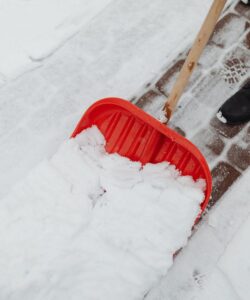
Plastic shovels work well for light, fluffy snow but flex too much for heavy wet snow. Metal shovels handle any snow type but damage concrete and decorative pavement. Ergonomic shovels with bent handles reduce back strain but cost more upfront.
Your shovel should match your height so you’re not constantly bending. The blade width should let you lift comfortably when full of snow. Most people choose shovels that are too wide and wonder why clearing exhausts them.
Improper Snow Blower Use
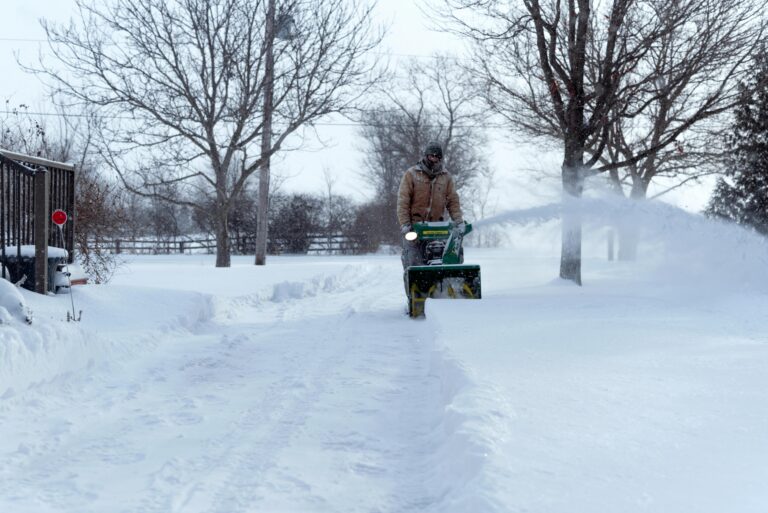
Snow blowers require regular maintenance that many homeowners neglect between seasons. Old gas, worn belts, and clogged carburetors cause breakdowns during the first major storm. Testing equipment before snow falls prevents these frustrating failures.
Running a snow blower too fast reduces clearing effectiveness significantly. Slow, steady passes remove more snow than rushing through at top speed. Many homeowners waste time making multiple passes because they moved too quickly the first time.
Missing Safety Equipment
Proper boots with good traction prevent slip and fall injuries on icy surfaces. Many people wear whatever shoes are convenient rather than footwear designed for winter conditions. This shortcut leads to dangerous falls that could easily be prevented.
Gloves protect your hands from blisters and cold exposure during extended clearing sessions. Waterproof options keep hands warm even when handling wet snow. Skipping proper gloves makes the work uncomfortable and increases frostbite risk
Physical Technique Errors Among Top Mistakes Homeowners Make When Removing Snow
How you move snow matters as much as when you clear it. Poor body mechanics cause the majority of snow removal injuries every winter. Learning proper technique protects your back, shoulders, and heart from dangerous strain.
Common technique errors include these movements that increase injury risk:
- Bending from the waist instead of squatting with your legs
- Twisting your torso while throwing snow to the side
- Lifting shovels that are more than half full of heavy snow
- Reaching too far forward instead of stepping closer to the snow
- Working too fast without maintaining controlled movements
- Holding your breath while lifting instead of breathing steadily
The Lifting Problem
Lifting snow instead of pushing it whenever possible creates unnecessary physical strain. Push snow toward pile locations and only lift when absolutely necessary. This simple change reduces the work your back does by 60 to 70 percent.
When you must lift, keep loads small and hold the shovel close to your body. Step in the direction you’re throwing rather than twisting your spine. These basic principles prevent the muscle strains that send people to emergency rooms.
Working Without Breaks
Trying to clear your entire property in one continuous session overtaxes your cardiovascular system. Cold air makes your heart work harder while physical exertion demands more oxygen. This combination stresses your body more than summer yard work at similar intensity levels.
Take 5-minute breaks every 20 to 30 minutes of active shoveling. Drink water even though you don’t feel thirsty in cold weather. These rest periods let your heart rate recover and reduce injury risk significantly.
Property Damage From Snow Removal Mistakes
Aggressive clearing techniques and poor product choices damage driveways, walkways, and landscaping. These problems compound over multiple winters until expensive repairs become necessary. Avoiding these common snow shoveling mistakes protects your property investment.
Metal Shovel Scraping
Metal shovels scrape up sealcoat from asphalt and chip concrete when used too aggressively. Many homeowners damage their own driveways trying to get surfaces completely clear. Plastic shovels or snow pushers prevent this problem while still providing effective clearing.
Leave a thin layer of snow rather than scraping down to bare pavement. This protective layer prevents damage while still providing safe traction. You can apply de-icer to this thin layer for complete ice prevention.
Piling Snow on Landscaping
Throwing snow onto gardens, shrubs, and lawn areas seems convenient during clearing. The weight damages plants while salt contamination kills grass and perennials. Spring reveals the damage when plants fail to grow back in affected areas.
Pile snow in designated areas away from valuable landscaping and building foundations. Keep piles at least 1 metre from structures to prevent meltwater issues. Strategic pile placement during clearing saves landscaping repair costs in spring.
For comprehensive property protection strategies, check our article on how seasonal maintenance protects home value.
How to Avoid These Top Mistakes Homeowners Make When Removing Snow
Prevention strategies for common errors are straightforward once you understand the problems. Making these changes to your snow removal routine eliminates most difficulties homeowners face. The improvements show up immediately in easier work and better results.
Start Early and Work Smart
Begin clearing as soon as 5 to 8 cm accumulates rather than waiting for snow to stop. This approach means clearing more often but dealing with lighter loads each time. Your back will thank you for choosing frequent light sessions over one massive effort.
Apply de-icer before storms and again after clearing for best protection. This two-stage approach prevents ice formation and keeps surfaces safe between snowfalls. The small extra cost pays off in safety and reduced clearing effort.
Use Proper Technique Every Time
Focus on pushing snow rather than lifting whenever your property layout allows. Walk to where you’re throwing snow instead of twisting your body. These conscious technique choices prevent the injuries that put people out of commission.
Keep your back straight and bend from your knees when lifting is necessary. Hold the shovel close to your body rather than reaching out. Proper form might feel awkward at first but becomes natural with practice.
Know Your Limits
Recognize when a job exceeds your physical abilities or available time. Heavy wet snow that accumulates 30 cm overnight challenges even fit individuals. There’s no shame in calling professional help for storms that exceed reasonable DIY capacity.
Professional snow plowing services handle these challenging conditions safely with proper equipment. They complete in 20 minutes what would take you 3 hours of dangerous physical labour. Understanding this value helps you make smart decisions about when to hire help.
Learn more about when professional help makes sense in our guide on why you should hire a professional snow removal service this winter.
Invest in Quality Equipment
Buy shovels and tools designed for snow removal rather than using general garden equipment. Ergonomic designs reduce strain while proper materials prevent property damage. The upfront investment pays off in years of easier, safer clearing.
Maintain snow blowers with annual tune-ups before winter arrives. Keep extra shear pins, belts, and spark plugs on hand for quick repairs. Proper maintenance prevents equipment failures during storms when you need it most.
Frequently Asked Questions
What is the biggest mistake people make when shoveling snow? Waiting too long to start clearing is the most common error. Fresh snow moves easily while compacted or partially melted snow becomes heavy and difficult to handle safely.
How can I avoid back injuries while removing snow? Push snow instead of lifting whenever possible, bend from your knees instead of your waist, and keep loads small. Take regular breaks every 20 to 30 minutes to prevent overexertion.
Should I clear snow before or after the city plow comes through? Clear your driveway before city plows arrive if possible, then quickly clear the windrow they leave. This approach deals with lighter snow twice rather than heavy compacted snow once.
What type of shovel is best for preventing injury? Ergonomic shovels with bent handles and lightweight plastic blades reduce back strain significantly. Choose a size appropriate for your height so you’re not constantly bending awkwardly.
How often should I take breaks when shoveling snow? Rest for 5 minutes after every 20 to 30 minutes of active shoveling. Cold weather and physical exertion stress your cardiovascular system more than you realize.
Can I damage my driveway by shoveling snow incorrectly? Yes, metal shovels scrape up sealcoat and chip concrete when used too aggressively. Plastic shovels prevent this damage while still clearing effectively.
What areas do homeowners commonly forget to clear? Dryer vents, gas meters, fire hydrants, and foundation vents get overlooked frequently. Snow blocking these areas creates safety hazards and equipment malfunctions that could be serious.