Knowing what to look for when choosing a snow removal company protects you from unreliable service and potential property damage. The wrong provider disappears during major storms or damages your driveway with improper equipment. These problems leave you stuck clearing snow yourself despite paying for professional service.
Quality snow removal companies demonstrate reliability through proper insurance, professional equipment, and transparent contracts. They show up consistently regardless of storm severity or timing. Making the right choice means researching thoroughly before winter arrives rather than hiring the first available service.
Essential Insurance and Legal Requirements
Insurance coverage represents the most critical factor in what to look for when choosing a snow removal company. Uninsured operators put your property and finances at serious risk. One accident or injury can cost you thousands if the company lacks proper coverage.
Liability Insurance Requirements
Legitimate snow removal companies carry at least $2 million in general liability insurance. This coverage protects you if their equipment damages your property during clearing. It also covers injuries to crew members or third parties on your property during service.
Ask to see current insurance certificates before signing any contract. Reputable companies provide these documents immediately without hesitation. Services that stall or make excuses about insurance likely operate without proper coverage.
Verify insurance is current and covers the specific services they’re providing. Some policies exclude certain activities or equipment types. Direct confirmation with the insurance provider eliminates any doubt about coverage.
WSIB Coverage for Crew Safety
Companies operating in Ontario must carry WSIB coverage for all employees. This workplace insurance protects workers injured during snow removal operations. Without it, injured workers can sue the property owner for damages.
Request proof of current WSIB coverage along with liability insurance documents. The certificate should show active status for the current year. Companies avoiding this request put you at legal and financial risk.
WSIB compliance indicates a professional operation that follows employment standards. It separates legitimate businesses from casual operators working under the table. This distinction matters significantly for service quality and reliability.
Business Licensing and Registration
Verify the company holds proper business licenses for your municipality. Legitimate services register with the city and maintain required permits. This registration creates accountability and recourse if problems arise.
Check business registration through provincial databases to confirm legal operation. The company name should match registration documents exactly. Mismatches suggest the service operates under different names to avoid a negative history.
For context on professional service advantages, read our article on why you should hire a professional snow removal service this winter.
Equipment Quality and Maintenance Standards
Professional equipment separates reliable services from amateur operations. The right tools make snow removal faster, safer, and less damaging to your property. Poor equipment leads to inconsistent results and potential surface damage.
Key equipment indicators to evaluate include:
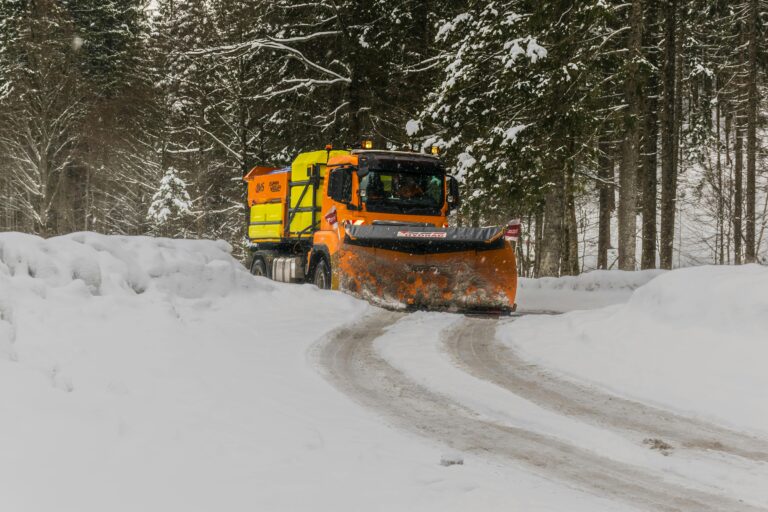
- Truck-mounted plows rather than small ATV or residential equipment
- Commercial-grade snow blowers for walkway and detail work
- GPS tracking systems on all service vehicles for route monitoring
- Backup equipment availability when primary machines break down
- Professional de-icing spreaders for even product application
- Well-maintained vehicles showing regular service and upkeep
Fleet Size and Backup Capacity
Companies with multiple trucks and equipment units handle breakdowns without service interruptions. Ask how many properties each vehicle services and what backup exists. Single-truck operations leave you stranded when that truck breaks down.
Reliable services maintain spare equipment specifically for emergency replacements. This redundancy costs more but guarantees service continuity. The investment demonstrates a commitment to customer service regardless of mechanical issues.
Check vehicle condition during initial consultations to assess maintenance standards. Rusty, damaged, or poorly maintained equipment suggests operational problems. Professional companies keep fleets clean and well-maintained year-round.
Technology Integration
Modern snow removal services use GPS tracking to monitor crew locations and service completion. This technology provides real-time updates and confirms visit timing. You receive text notifications when crews arrive and finish clearing your property.
Before-and-after photos document completed work and protect both parties. Visual records prove service delivery and show surface condition. This documentation resolves disputes quickly without prolonged arguments.
Online portals let you manage service preferences, view visit history, and access invoices. This digital access improves communication and makes account management easier. Technology adoption indicates a forward-thinking professional operation.
Experience and Local Knowledge
Years in business and local market understanding significantly impact service quality. Experienced companies know neighbourhood layouts, property quirks, and efficient routing. This knowledge translates to faster response and better results.
Minimum Experience Threshold
Look for companies with at least 3 to 5 years of operating experience in your specific area. Newer services lack the experience to handle unusual storm conditions effectively. They also have higher business failure rates that could leave you without service mid-season.
Ask how long the current ownership has operated the business. Recent ownership changes reset the experience clock regardless of company age. The current team’s experience matters more than the business name’s history.
Verify experience claims through customer references from previous seasons. Companies exaggerating their history get exposed quickly through reference checks. Honest operators provide accurate timelines without embellishment.
Neighbourhood Familiarity
Companies servicing your specific neighbourhood understand local challenges better. They know which streets the city plows first and typical timing patterns. This familiarity helps them coordinate service for optimal results.
Local knowledge includes understanding property layouts common to your area. Experienced crews navigate tight driveways, tricky corners, and drainage issues efficiently. They pile snow strategically based on typical melt patterns.
Ask how many other properties they service within 1 kilometre of yours. Dense coverage in your area indicates an established presence and efficient routing. Scattered service areas suggest the company is stretching beyond its ideal capacity.
Understanding different service options helps you evaluate providers, as explained in our comparison of city snow removal vs private snow removal.
What to Look for When Choosing a Snow Removal Company Contract Terms
Contract clarity separates professional operations from problematic providers. Good contracts specify exactly what you’re paying for and when service occurs. Vague terms create disputes and disappointment throughout winter.
Service Triggers and Response Times
Contracts should clearly state the snowfall amount triggering service calls. Most residential agreements activate at 5 cm accumulation. Commercial properties often use 2 to 3 cm thresholds for earlier clearing.
Response time guarantees must appear in writing within the contract. Standard residential service promises clearing within 4 to 8 hours after snow stops. Faster response costs more but provides better access reliability.
Verify what happens during back-to-back storms when snow continues falling. Some contracts only guarantee one clearing per 24-hour period. Others provide continuous service until accumulation stops completely.
What’s Included in Standard Service
Detailed service descriptions prevent misunderstandings about coverage scope. Standard packages should include driveway plowing, walkway clearing, and basic de-icing. Verify measurements showing exactly which areas receive service.
Ask specifically about snow pile placement and removal. Standard service typically includes piling on your property, but not hauling away. Properties with limited space need removal services specifically added to contracts.
Confirm whether front porch, steps, and sidewalk clearing come standard or cost extra. Some companies nickel-and-dime these common areas as add-ons. Comprehensive packages include all pedestrian surfaces without upcharges.
Pricing Transparency
Clear pricing with no hidden fees indicates honest business practices. Seasonal contracts should state one total price covering unlimited service. Per-visit contracts need clear rates for different snowfall amounts.
Watch for contracts adding fuel surcharges, equipment fees, or other surprise costs. These hidden charges inflate bills significantly throughout winter. Reputable services include all costs in quoted rates.
Payment terms should specify when and how you pay for services. Most companies offer monthly installments for seasonal contracts. Confirm whether payment is required upfront or spreads across the winter months.
For comprehensive winter planning advice, check our guide on how seasonal maintenance protects home value.
Customer Reviews and References
Past customer experiences reveal more about service quality than any sales pitch. Reviews show reliability patterns, problem resolution approaches, and overall satisfaction. This feedback helps you avoid problematic providers before signing contracts.
Where to Find Reliable Reviews
Google reviews provide unfiltered feedback from actual customers in your area. Look for patterns in complaints rather than focusing on single negative reviews. Every company gets occasional bad reviews, but patterns reveal systemic problems.
Facebook community groups often discuss local service providers openly. Neighbours share experiences and recommendations without company filtering. These organic discussions provide valuable insights into reputation and reliability.
Better Business Bureau ratings show complaint patterns and resolution attempts. Companies with many unresolved complaints demonstrate poor customer service. Those addressing issues promptly show commitment to satisfaction.
What Reviews Should Tell You
Pay attention to comments about reliability during major storms. Companies that disappear during heavy snow prove unreliable when you need them most. Consistent show-up rates matter more than perfect clearing technique.
Look for feedback about communication and responsiveness to concerns. Professional services respond quickly to calls and resolve issues promptly. Poor communicators leave customers frustrated throughout winter.
Note comments about property damage and how companies handled it. Accidents happen, but professional services take responsibility and make repairs. Those denying fault or avoiding damage claims create ongoing problems.
Requesting Direct References
Ask potential providers for contact information from 3 to 5 current customers. Choose to contact neighbours rather than references from across the city. Local references provide better insights into service for your specific area.
Prepare specific questions about reliability, communication, and problem resolution. Ask whether they’d hire the company again next season. Hesitation or qualified responses reveal concerns worth investigating further.
Verify references are real customers by checking addresses through online searches. Some dishonest companies provide fake references using friends or employees. This verification catches fraudulent testimonial schemes.
Learn about common service problems in our article on the top mistakes homeowners make when removing snow.
Communication and Customer Service Standards
How companies handle inquiries and concerns indicates overall service quality. Professional operations respond promptly and communicate clearly throughout the season. Poor communicators create frustration that compounds with every storm.
Initial Response Quality
Evaluate how quickly companies respond to your initial inquiry. Professional services return calls or emails within 24 hours during the busy season. Delays beyond 48 hours suggest poor organization or overwhelming demand.
Note whether responses answer your specific questions or use generic copy-paste replies. Personalized answers show attention to detail and genuine customer interest. Template responses indicate rushed, impersonal service approaches.
Assess whether sales representatives listen to your needs or push standard packages. Quality companies customize solutions for your property and budget. High-pressure sales tactics suggest desperation for contracts rather than customer focus.
Mid-Season Communication
Ask how the company handles service notifications and storm updates. Professional services send text or email alerts before storms and after completing work. This proactive communication keeps you informed without requiring constant checking.
Verify how quickly they respond to concerns or service quality issues. Same-day or next-day response to problems separates good services from poor ones. Companies taking days to address concerns show little regard for customer satisfaction.
Confirm whether you receive direct contact information for the owner or manager. Access to decision-makers speeds problem resolution significantly. Being stuck with general reception creates frustrating communication barriers.
Red Flags to Avoid When Selecting a Snow Removal Provider
Certain warning signs indicate problematic services you should avoid completely. Recognizing these red flags early prevents signing contracts with unreliable or dishonest operators. Trust your instincts when something feels off during initial consultations.
Watch out for these major warning signs:
- Requests for full payment upfront before any service is delivered
- No written contract or vague verbal-only agreements
- Cannot provide insurance certificates, or claims coverage doesn’t exist
- Extremely low pricing that seems too good to be true
- Pressure to sign immediately without time to review contracts
- No online presence or way to verify business legitimacy
- Recent negative news about unpaid bills or abandoned customers
- Unwillingness to provide references from current customers
Companies exhibiting multiple red flags almost always create problems. Save yourself frustration by continuing your search elsewhere. Quality services exist and are worth the effort to find.
For additional winter maintenance considerations, read our guide on how early you should book a snow removal service.
Frequently Asked Questions
What insurance should a snow removal company have? They need at least $2 million general liability insurance and current WSIB coverage for all employees. Request copies of both certificates before signing any contract.
How many years of experience should I look for in a snow removal company? Look for at least 3 to 5 years of operating under current ownership in your specific area. Longer tenure indicates stability and proven ability to handle various winter conditions.
What should be included in a standard snow removal contract? The contract should specify service triggers, response times, covered areas, pricing, payment terms, and cancellation policies. All terms should appear in writing without verbal-only agreements.
How can I verify a snow removal company is legitimate? Check business registration, verify insurance certificates directly with providers, read online reviews, and contact customer references. Multiple verification sources confirm legitimacy better than single checks.
What’s a reasonable response time for residential snow removal? Most residential contracts guarantee clearing within 4 to 8 hours after snow stops falling. Commercial properties often receive faster 2 to 4-hour service commitments.
Should I choose the cheapest snow removal quote I receive? No, extremely low pricing often indicates inadequate insurance, poor equipment, or unreliable service. Mid-range pricing from established companies provides better value and reliability.
What happens if my snow removal company damages my property? Properly insured companies repair damage at no cost to you through their liability coverage. Get damage documented immediately with photos and a written notice to the company.