Knowing how to keep your driveway ice-free all winter long protects your family from dangerous falls and prevents surface damage. Ice forms quickly on Canadian driveways when temperatures drop below freezing after snow or rain. One patch of black ice can cause serious injuries and liability issues for property owners.
The right combination of prevention, treatment, and maintenance keeps surfaces safe throughout the winter months. You don’t need expensive equipment or complicated systems to maintain an ice-free driveway. Following proven methods consistently makes all the difference between safe access and hazardous conditions.
Why Ice Forms on Driveways and How to Stop It
Understanding ice formation helps you prevent it before it becomes a problem. Driveways collect ice through several different processes during winter months. Each type of ice requires a slightly different approach to control effectively.
Black Ice Development
Black ice forms when temperatures drop after rain or melting snow refreezes on pavement. This thin, transparent layer is nearly invisible and extremely dangerous. It develops most often during overnight temperature drops or in shaded areas that never warm up during the day.
Preventing black ice requires treating surfaces before temperatures fall below freezing. Once it forms, black ice is harder to remove than regular snow buildup. Monitoring weather forecasts helps you stay ahead of conditions that create this hazard.
Compacted Snow Turning to Ice
Snow that gets driven over or walked on compacts into a hard layer that freezes solid. This happens gradually as traffic packs the snow down throughout the day. By evening when temperatures drop, that compacted layer becomes solid ice.
Removing snow promptly before vehicles pack it down prevents this type of ice formation. Waiting even a few hours can turn light snow into a stubborn ice layer. Quick action after each snowfall is the most effective prevention method.
Ice Dams and Meltwater Refreezing
Meltwater running down from roofs or snowbanks refreezes when it hits cold pavement. This creates ridges and uneven ice patches across your driveway surface. Proper drainage and snow pile placement reduces this problem significantly.
Keeping snow piles away from high-traffic areas prevents meltwater from flowing across your driveway. Strategic placement when you clear snow saves work later when temperatures fluctuate. This forward planning is part of how to keep your driveway ice-free all winter long.
How to Keep Your Driveway Ice-Free All Winter Long With Preventive Methods
Prevention works better than treating ice after it forms. These proactive steps reduce ice formation and make winter driveway maintenance far easier throughout the season.
Start with these proven prevention strategies:
- Clear all snow within 2 to 4 hours after it stops falling
- Apply de-icer before freezing rain or overnight temperature drops
- Keep drainage channels clear so meltwater flows away from pavement
- Remove snow piles that sit next to your driveway and cause runoff
- Park vehicles off the driveway when expecting snow to allow full clearing
- Install proper grading that slopes away from structures and prevents pooling
Proper Snow Removal Timing
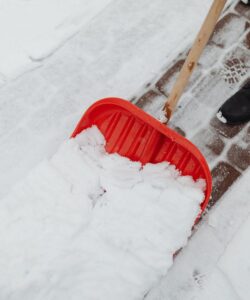
Removing snow before it gets packed down or melts and refreezes is the single most effective prevention method. Fresh snow clears easily and completely off pavement surfaces. Waiting allows the sun to partially melt the top layer which refreezes overnight into ice.
Early morning clearing works well if snowfall stopped overnight. Afternoon clearing on sunny days prevents the melt-refreeze cycle from starting. The timing matters as much as the removal itself for maintaining an ice-free driveway.
For detailed comparison of removal methods, check our guide on snow shovelling vs. snow blowing to choose the best approach for your property.
Strategic De-Icer Application
Applying de-icer before ice forms prevents bonding between ice and pavement. This proactive treatment makes any ice that does form easier to remove later. Pre-treating works especially well before freezing rain or when overnight lows will drop significantly.
Focus application on high-traffic areas, slopes, and spots that stay shaded all day. These zones ice over faster than sunny, flat sections. Targeted treatment uses less product while providing better protection where you need it most.
Best Products for Driveway Ice Prevention
Choosing the right ice control products protects your driveway surface while keeping it safe. Different products work better in different temperature ranges and conditions. Understanding these differences helps you maintain an ice-free driveway more effectively.
Rock Salt (Sodium Chloride)
Rock salt is the most common and affordable de-icing option available. It works effectively down to about -9°C before losing effectiveness. Below that temperature, it stops melting ice reliably.
Salt damages concrete over time through repeated freeze-thaw cycles. It also harms grass, plants, and pets when tracked into lawns or homes. Use it sparingly and sweep up excess once ice melts to minimize these negative effects.
Calcium Chloride
Calcium chloride works at much lower temperatures than rock salt. It remains effective down to -32°C, making it reliable throughout even harsh Canadian winters. This product melts ice faster and uses less product per application.
The downside is higher cost and potential concrete damage with overuse. It also generates heat as it melts ice, which can be useful in extreme cold. Apply it in moderation and avoid piling it in concentrated spots.
Magnesium Chloride
Magnesium chloride offers a middle ground between salt and calcium chloride. It works down to -15°C and causes less damage to concrete and vegetation. Many professionals prefer it for residential driveways because of this balance.
This product is gentler on pet paws and safer for lawns bordering driveways. It costs more than rock salt but less than calcium chloride. The reduced environmental impact makes it worth considering for long-term use.
Sand and Grit
Sand doesn’t melt ice but provides traction on slippery surfaces. It works at any temperature since it relies on friction rather than chemical action. Sand is the safest option for surfaces, plants, and animals.
The major drawback is cleanup since sand doesn’t disappear when ice melts. You’ll need to sweep it up in spring before it clogs drains or gets tracked indoors. Combining sand with small amounts of salt offers both traction and melting power.
Eco-Friendly Alternatives
Several newer products use beet juice, cheese brine, or other organic compounds. These alternatives work well in moderate temperatures and cause minimal environmental damage. They cost more but align with eco-conscious property maintenance approaches.
Some products combine traditional salts with organic compounds for better performance. Research shows these blends can reduce total salt use by 20 to 30 percent. For homeowners concerned about environmental impact, these options are worth exploring.
How to Keep Your Driveway Ice-Free All Winter Long Using Proper Techniques
Application technique matters as much as product choice for winter driveway maintenance. Using the right methods improves effectiveness while reducing waste and surface damage.
Application Timing
Apply de-icing products before ice forms rather than after for best results. Pre-treating prevents ice from bonding tightly to pavement surfaces. This makes removal easier if ice does develop despite treatment.
Reapply after heavy traffic or additional snow events wear away the initial treatment. High-use driveways need more frequent applications than light-traffic areas. Monitor conditions and treat proactively rather than waiting for visible ice.
Proper Coverage Rates
More product doesn’t mean better results when treating for ice prevention. Excessive application wastes money and increases environmental damage without improving performance. Following manufacturer guidelines gives optimal results with minimal product use.
Most products work best at rates between 50 and 100 grams per square metre. Spreading product evenly matters more than total amount used. Concentrated piles cause surface damage while leaving gaps untreated.
Removal After Melting
Sweep up excess de-icer after ice melts to protect your driveway surface. Leftover product continues working on concrete and can cause spalling or pitting. This simple cleanup step extends your driveway’s lifespan significantly.
Residual product gets tracked indoors and harms flooring or carpets. It also washes into gardens and lawns when snow melts in spring. Quick cleanup prevents these secondary problems while keeping your property cleaner overall.
Mechanical Methods for Keeping Driveway Clear
Physical ice removal complements chemical treatments for complete winter driveway maintenance. Some situations require mechanical methods when products alone aren’t enough to maintain safe surfaces.
Tools and techniques for mechanical ice removal include:
- Plastic shovels for light ice layers without scratching pavement
- Metal scrapers for stubborn ice in small problem areas
- Ice chippers for thick buildup along edges and corners
- Snow blowers that can handle light ice mixed with snow
- Electric ice melters that use heating elements for problem zones
Scraping Technique
Scraping ice requires the right angle and pressure to avoid damaging your driveway. Hold tools at a low angle to the surface and push forward rather than chopping down. This technique removes ice while protecting concrete or asphalt underneath.
Work in sections and clear removed ice away as you go. Letting broken ice sit allows it to refreeze into a rougher surface. Complete clearing in one pass whenever possible for best results.
Professional Equipment Benefits
Professional snow removal services use commercial equipment that outperforms residential tools significantly. Truck-mounted plows, professional-grade blowers, and commercial ice melters clear larger areas faster. They also handle heavy ice that overwhelms homeowner equipment.
These services know exactly how to keep your driveway ice-free all winter long through experience and proper equipment. They apply treatments at optimal rates and timing for your specific conditions. For many homeowners, professional service provides better results at lower total cost than DIY approaches.
Learn more about professional advantages in our article on why you should hire a professional snow removal service this winter.
Long-Term Solutions for Ice Prevention
Some property improvements provide lasting benefits for winter driveway maintenance. These investments pay off through reduced work and safer conditions every winter season.
Proper Drainage Installation
Installing or improving drainage prevents water from pooling and freezing on your driveway. French drains, channel drains, or improved grading direct water away from paved surfaces. This eliminates the source of many ice problems rather than just treating symptoms.
Proper drainage also protects your driveway from freeze-thaw damage. Water that penetrates cracks and freezes causes progressive deterioration over time. Keeping water moving away from pavement extends surface life by years.
Heated Driveway Systems
Radiant heating systems installed under driveways melt snow and ice automatically. These systems use electric cables or hydronic tubes that warm the surface above freezing. They eliminate the need for shovelling, salting, or scraping entirely.
Installation costs run $10 to $20 per square foot for new construction. Retrofitting existing driveways costs more due to removal and replacement work. Operating costs vary with electricity or gas prices and how often the system runs.
Sealcoating and Surface Protection
Regular sealcoating protects asphalt driveways from water penetration and chemical damage. This protective layer helps prevent ice from bonding as tightly to the surface. It also makes snow and ice removal easier throughout the season.
Apply a sealcoat every 2 to 3 years for best protection and appearance. Concrete driveways benefit from penetrating sealers that protect without changing surface appearance. These treatments are part of comprehensive seasonal maintenance that protects property value year-round.
For more on how ongoing maintenance protects your investment, read our guide on how seasonal maintenance protects home value.
Frequently Asked Questions
What temperature is too cold for de-icer to work? Rock salt stops working effectively below -9°C while calcium chloride works down to -32°C. Always check product specifications for temperature ranges and choose appropriate products for your climate conditions.
How often should I apply de-icer during winter? Apply de-icer before storms, after each snow removal, and whenever temperatures will drop below freezing overnight. High-traffic driveways may need treatment every 2 to 3 days during active winter weather.
Can I use hot water to melt ice on my driveway? Hot water melts ice temporarily but refreezes quickly and can crack concrete through thermal shock. This method is not recommended for regular use as it often makes conditions worse once water refreezes.
What’s the safest de-icer for concrete driveways? Magnesium chloride and calcium magnesium acetate cause less concrete damage than rock salt. Avoid products containing ammonium nitrate or ammonium sulphate as these harm concrete significantly.
How do I prevent ice dams from forming at the end of my driveway? Keep snow piles away from the driveway edge and ensure proper drainage channels. Apply extra de-icer to areas where meltwater commonly refreezes overnight.
Is it better to shovel before or after applying de-icer? Always remove snow first, then apply de-icer to the cleared surface. De-icer works best in direct contact with pavement rather than sitting on top of snow layers.
How can I make my steep driveway safer in winter? Apply extra de-icer on slopes, use products rated for lower temperatures, and consider installing heating cables in problem sections. Sand provides additional traction on steep grades when chemical treatments aren’t enough.