Autumn is a season of vibrant colors and falling leaves, transforming yards into picturesque landscapes. While these colorful leaves may look beautiful, they can pose serious challenges for your lawn if left unattended. A thick layer of fallen leaves can block sunlight, trap moisture, attract pests, and even damage the soil, putting your grass at risk.
With the dangers of fallen leaves in mind, it’s clear that regular leaf removal is more than just a seasonal chore. Let’s break down how leaves affect your lawn, the benefits of removing them, and the best ways to keep your yard healthy all year long.
How Fallen Leaves Negatively Impact Your Lawn
Blocks Sunlight, Oxygen, and Water
When leaves accumulate on your lawn, they form a thick, dense layer that blocks sunlight from reaching the grass beneath. Grass relies on sunlight to photosynthesize and generate energy, so prolonged coverage can weaken blades and stunt growth.
At the same time, the leaf layer limits air circulation and prevents water from easily penetrating the soil. Without sufficient sunlight, oxygen, and water, grass becomes stressed, loses its vibrant color, and may even die off in patches, leaving your lawn vulnerable to further damage.
Moisture and Mold Risks
Fallen leaves often trap moisture against the ground, especially during rainy autumn days or as snow begins to settle. This damp environment becomes a breeding ground for mold, fungi, and other lawn diseases.
For example, snow mold can develop under wet, decomposing leaves and seriously harm grass during the winter and early spring. Over time, mold and fungus not only weaken your lawn but also make it harder for healthy grass to thrive.
Soil Compaction and Poor Air Circulation
Heavy piles of leaves add extra weight to your lawn, compressing the soil underneath. Compacted soil reduces the space available for roots to grow and makes it more difficult for water and nutrients to reach the roots.
Poor air circulation caused by dense leaf layers further stresses the grass, slowing growth and weakening your lawn’s natural defenses against pests and disease.
Pest Attraction
Leaves provide excellent shelter for insects, rodents, and grubs, which may feed on grass, seedlings, or other plants in your garden. While some insects are harmless, others can cause significant damage or introduce diseases that harm your lawn.
Rodents and grubs hiding in leaf piles can create tunnels and chew through roots, further compromising lawn health. Removing leaves promptly helps reduce these risks and keeps your yard pest-free.
Benefits of Regular Leaf Removal
1. Maintains Lawn Health and Growth
Regularly removing leaves ensures that sunlight, water, and nutrients reach your grass, allowing it to grow strong and healthy. Grass that isn’t smothered by leaves develops deeper roots, vibrant color, and greater resilience against winter stress. A lawn kept free of debris also recovers more quickly in spring, giving you a lush, uniform yard.
2. Prevents Diseases and Fungi
Leaves left on the ground can trap moisture and create a breeding ground for mold, fungi, and other harmful pathogens. Snow mold, rust, and other fungal infections thrive under decaying leaves, weakening your grass and potentially leading to bare or patchy spots.
3. Improves Yard Appearance and Safety
A lawn covered in wet or decomposing leaves can look messy and unkempt. Leaf removal keeps your yard clean, neat, and visually appealing. It also reduces hazards: slippery leaves on walkways and driveways can cause accidents, while clearing debris prevents leaves from clogging gutters or creating hidden spots where pests might hide.
4. Optimizes Soil and Water Efficiency
Leaves that sit on top of the lawn absorb rainfall, preventing water from reaching the roots where it’s needed most. Removing leaves ensures that water penetrates the soil efficiently, supporting healthy growth and conserving resources.
Additionally, free airflow around the soil and grass blades improves oxygen availability, which is essential for strong root systems.
5. Reduces Pest Problems
Dense leaf piles provide shelter for rodents, insects, and grubs that can damage your grass or garden plants. Regular leaf removal minimizes these hiding spots, helping to keep pests at bay and protecting the overall health of your lawn.
6. Supports Environmental Sustainability
Composting collected leaves instead of discarding them helps reduce landfill waste and creates nutrient-rich material for your garden. Using fallen leaves as mulch or compost returns valuable organic matter to your soil, promoting sustainable yard care practices while enhancing soil fertility.
Seasonal Timing: When and How to Remove Leaves
Timing is key to maximizing the benefits of leaf removal. Clearing leaves too early or too late can reduce effectiveness, while proper methods ensure efficient cleanup and healthier grass.
Optimal Timing
The best time to remove leaves is after most have fallen but before the first frost sets in. This timing ensures you clear the bulk of debris while the grass is still able to absorb sunlight and nutrients, preparing it for winter dormancy. Waiting too long can allow leaves to decompose on the lawn, creating ideal conditions for pests and diseases.
DIY Removal Methods
There are several effective ways to remove leaves on your own:
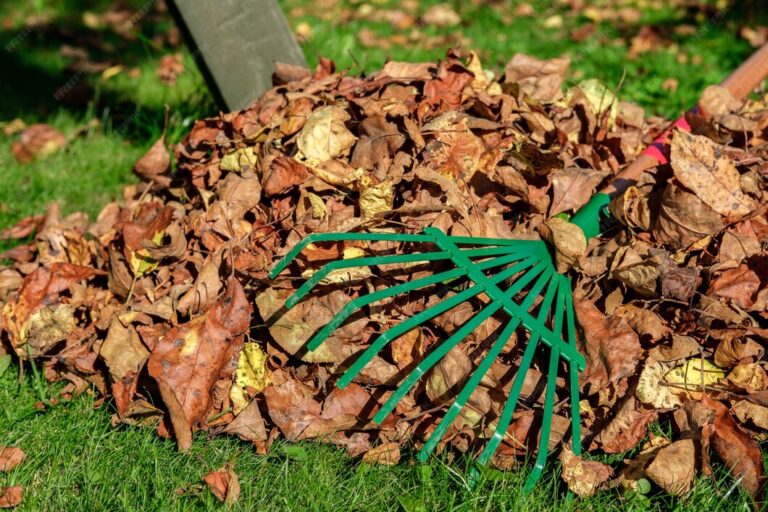
- Raking: Traditional but effective for small to medium lawns, allowing precise control over leaf piles.
- Leaf Blowing: Faster for larger yards or properties with heavy tree coverage, perfect for clearing wide areas quickly.
- Mulching with a Lawn Mower: Cuts leaves into fine pieces that can decompose quickly, returning nutrients to the soil and reducing waste.
Tips for Efficiency
- Bagging: Collect leaves in biodegradable or reusable bags for easy disposal or composting.
- Composting: Turn leaves into rich organic matter to improve soil health for spring planting.
- Mulching: Spread shredded leaves over garden beds to protect soil and recycle nutrients.
Prompt leaf removal prevents moisture buildup that can lead to mold, fungi, and lawn diseases. It also ensures your grass receives adequate sunlight and airflow, strengthening it for winter survival. Clearing leaves on time reduces the chances of pests taking shelter in leaf piles and promotes faster, healthier growth when spring arrives.
DIY vs Professional Leaf Removal Service
Deciding between tackling leaves yourself or hiring professionals depends on factors such as yard size, physical ability, and available time. Each option has pros and cons that influence efficiency, safety, and overall results.
DIY Pros and Cons
Removing leaves yourself can be cost-effective, as it saves money on professional services. It also gives you full control over how and when the cleanup is done.
However, leaf removal is time-consuming and physically demanding, especially for large lawns or properties with heavy tree coverage. Repeated raking or blowing can lead to fatigue, back strain, or injury if not done carefully.
Professional Leaf Removal Services
Hiring a professional leaf removal service offers several advantages:
- Efficiency: Crews can clear large areas quickly using commercial-grade equipment.
- Thoroughness: Professionals ensure every corner, including tight spaces near fences, decks, and landscaping features, is cleared.
- Safety: Reduces physical strain and the risk of injury for homeowners.
- Consistency: Scheduled services keep your lawn consistently clean throughout the fall season.
Factors to Consider
When deciding between DIY or professional leaf removal, consider:
- Lawn Size: Larger yards often benefit from professional equipment and manpower.
- Tree Coverage: Properties with many trees produce more leaves, making DIY removal more labor-intensive.
- Physical Ability: Assess whether you can safely perform repeated raking, blowing, or lifting.
- Time Availability: Busy schedules may make professional services the more practical choice.
Checklist for Choosing a Leaf Removal Service
- Verify experience and local reputation.
- Check if the service offers eco-friendly disposal or composting options.
- Confirm the scope of work and whether they handle tight or hard-to-reach areas.
- Ask about scheduling flexibility and pricing.
- Ensure they use proper equipment to prevent lawn damage.
If managing leaf removal on your own feels overwhelming, Maple Lawn & Snow is here to help with our fall cleanup service. Our professional team handles every aspect of lawn care services efficiently and safely, ensuring your lawn stays healthy and looking its best throughout the fall season.
We offer eco-friendly disposal and composting options, flexible scheduling, and thorough service for yards of all sizes. Let us take the hassle off your hands so you can enjoy a clean, vibrant lawn without the strain.
Long-Term Impact on Lawn Health
Consistently removing leaves each fall has lasting benefits that extend well beyond the immediate cleanup. Lawns that are kept free of debris enjoy stronger root systems, thicker grass, and better overall resilience against seasonal stress.
Regular leaf removal also helps maintain nutrient balance in the soil. While leaves can eventually decompose and add organic matter, leaving them in thick layers can smother grass and disrupt natural nutrient absorption. Removing or properly mulching leaves ensures the grass receives light, water, and nutrients efficiently, promoting healthier growth year after year.
Over time, a lawn that is consistently cleared of leaves will recover more quickly in spring, retain a vibrant green color, and require fewer interventions such as reseeding or chemical treatments. This proactive care not only saves time and money in the long run but also contributes to a beautiful, thriving yard that remains strong against seasonal challenges.
Wrapping Up
Fallen leaves might add seasonal charm, but when left on your lawn, they can quietly undermine its health. Regular leaf removal protects your grass from smothering, reduces disease and pest risks, and ensures that sunlight, water, and nutrients reach the roots where they are needed most.
Beyond immediate benefits, this simple practice strengthens your lawn over time, helping it bounce back faster in spring and maintain its lush, vibrant appearance year-round.